


Dealing with an aggressive dog can feel overwhelming, especially if you’re a first-time dog owner. You might feel unsure, frustrated, or even a little afraid, but you’re not alone. Aggression in dogs is more common than many people think, and with the right guidance, it can be managed and improved.
Whether your dog is showing signs of fear-based aggression, territorial behavior, or reactivity toward other dogs or people, these aggressive dog training tips will help you take the first steps toward a calmer, safer, and happier relationship with your pet. This long term commitment with dog ownership and bringing a dog home means dedicating time, patience, and consistent training to ensure they grow into a well-behaved, happy, and healthy companion for life. And at Performance K9 Training & Boarding, we specialize in helping dogs and their owners overcome challenging behaviors, including aggression.
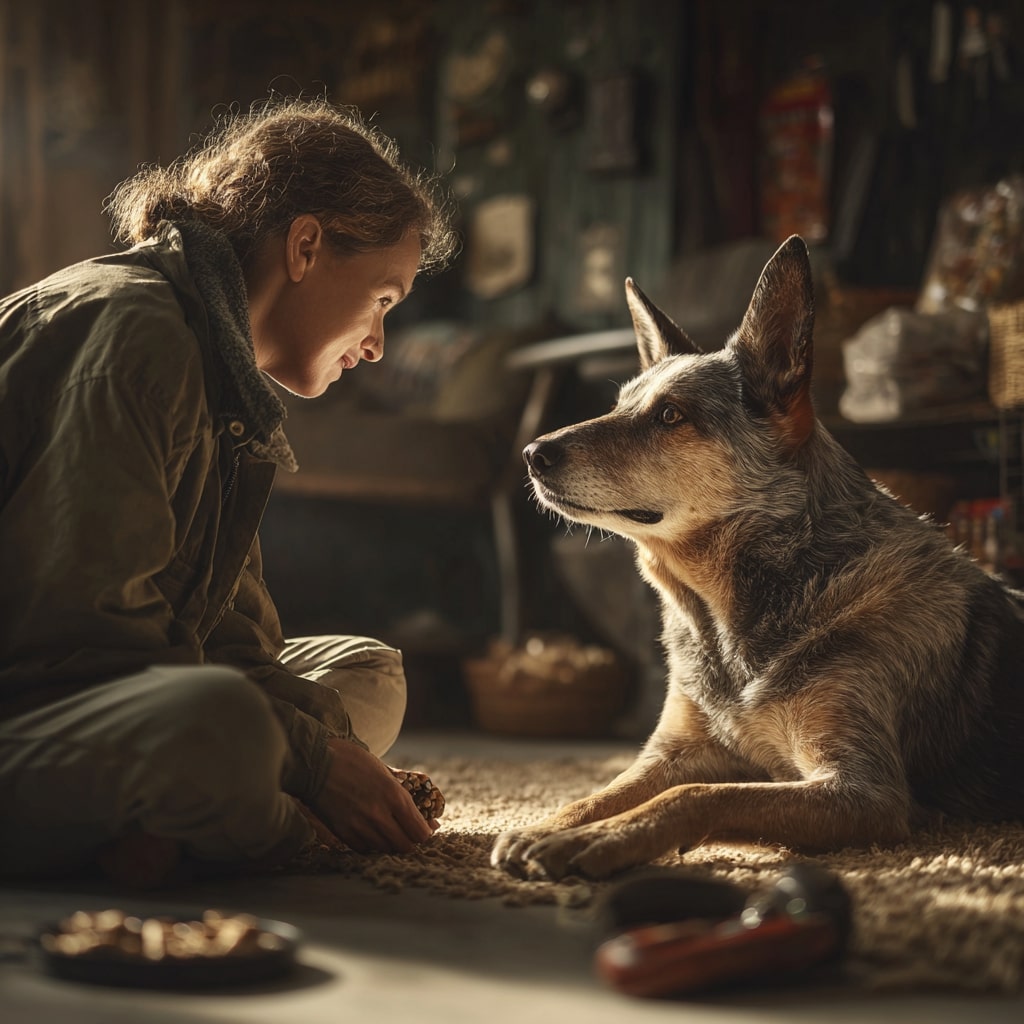
positive-reinforcement-training
Understanding the Root Cause of Aggression
Before we get into the aggressive dog training tips as part of your new dog ownership, it’s important to understand that aggression is usually a symptom, not the root problem in any kind of dog breed. Dogs often act aggressively out of fear, frustration, anxiety, or a perceived need to protect themselves or their family.
Common causes of aggression in most dogs include:
- Fear or anxiety (unfamiliar people, loud noises, sudden movements)
- Resource guarding (protecting dog food, toys, or spaces)
- Poor socialization during puppyhood
- Pain or medical issues
- Territorial behavior
Identifying the “why” behind your dog’s behavior is the first step toward creating a training plan that works.
The Aggressive Dog Training Tips You Can Start Today
While every dog is unique and severe aggression requires professional intervention and training sessions, here are practical aggressive dog training tips for first-time dog owners that you can begin right away.
1. Stay Calm and Avoid Punishment
When your dog acts aggressively, your instinct might be to yell or physically correct them. This can actually escalate the aggression and damage trust. Instead:
- Speak in a calm, steady tone.
- Create a safe space between your dog and the trigger.
- Avoid harsh corrections that might increase fear or anxiety.
Remember: dogs respond best to clear, consistent communication, like positive reinforcement training, not intimidation.
2. Learn to Read Canine Body Language
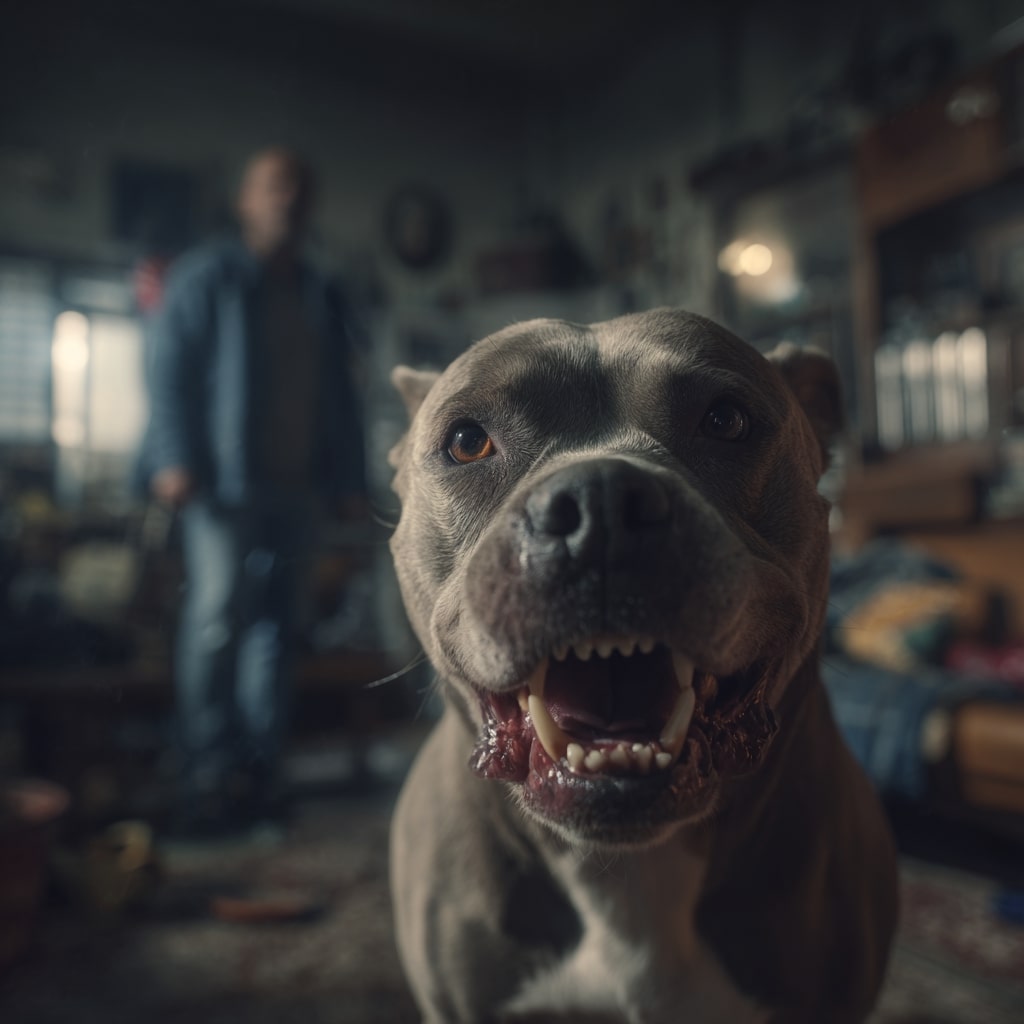
Recognizing the early warning signs of aggression is one of the most important aggressive dog training tips you can follow. Signs to watch for include:
- Stiff body posture
- Raised hackles (fur along the back)
- Lip curling or showing teeth
- Growling or low rumbling sounds
- Intense staring
By noticing these signs early, you can remove your dog from the situation before aggression escalates.
3. Manage the Environment and Living Situation
Management is a key part of training an aggressive dog. Until your dog is ready to handle certain situations, control the new environment to avoid triggers. This may include:
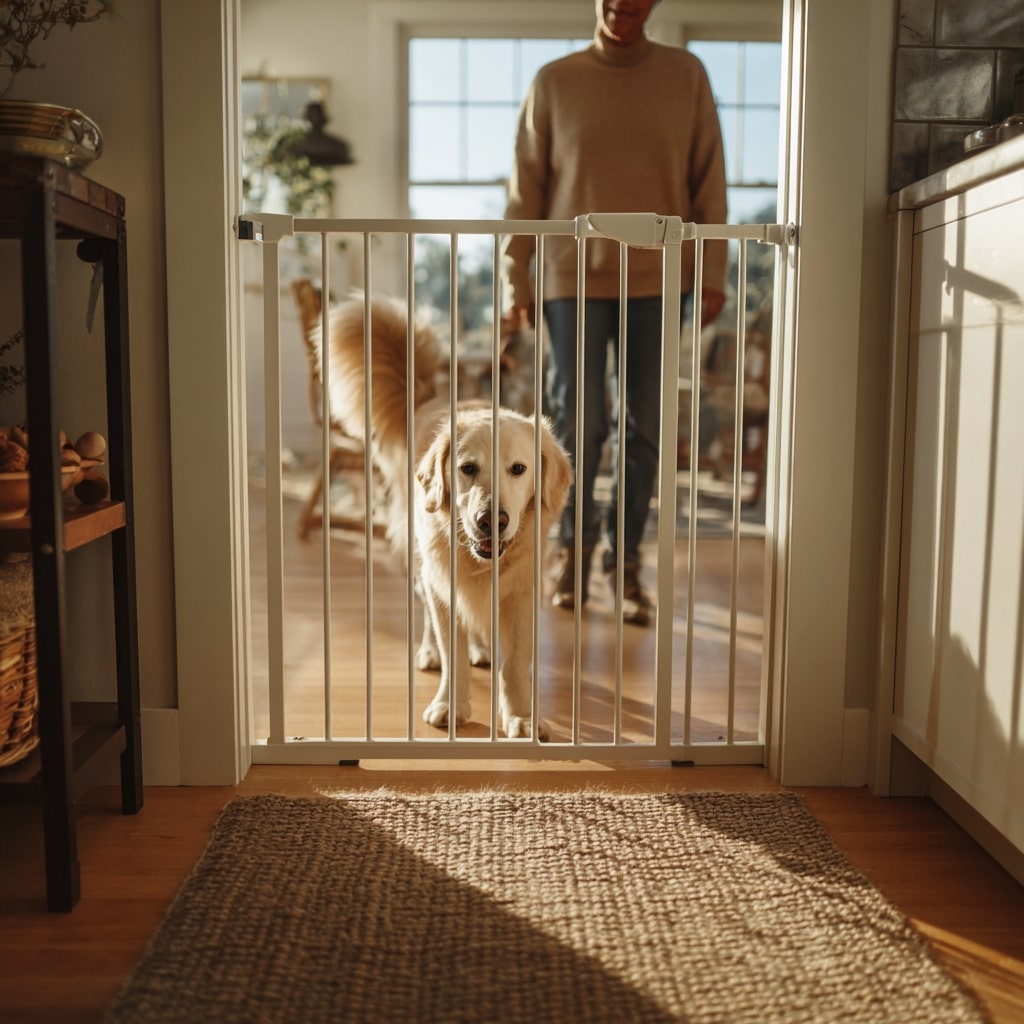
- Dog proofing by using baby gates to separate your dog from visitors.
- Walking during quiet times of day to avoid other animals and dogs.
- Avoiding situations that push your dog over their stress threshold.
Management isn’t avoiding the problem, it’s preventing unwanted behavior while you work on training solutions or have your new dog learn in training classes.
4. Reward Calm Behavior for Your New Pup
One of the most effective aggressive dog training tips is to reinforce the behavior you want instead of just reacting to the behavior you don’t want.
- Reward your dog for relaxed posture, loose body language, and calm focus.
- Use high-value treats they love.
- Practice rewarding calmness in everyday situations, not just during triggers.
Over time, your dog will begin to associate staying calm with positive rewards, and a happy dog will make it easier to reinforce good behavior and build a stronger, more trusting relationship.
5. Teach Alternative Behaviors
Instead of simply telling your new dog “no” when they act aggressively, teach them what to do instead with basic commands. For example:
- If your dog lunges at other dogs on walks, train a “look at me” command for focus.
- If they guard toys, teach a “drop it” or “trade” cue with rewards.
- Practice “go to your place” when visitors arrive.
Redirecting your dog’s energy toward acceptable behaviors is a safer and more productive strategy than focusing solely on stopping aggression.
The Importance of Socialization (at the Right Pace) for Active Dogs
Socialization is a big factor in preventing aggression, but for an already aggressive dog, it must be done carefully and under the right conditions. Flooding your dog with exposure to their triggers can backfire. Instead:
- Introduce new people, animals, and environments slowly.
- Keep sessions short and positive.
- End training on a good note, before your dog feels overwhelmed.
This is one of those aggressive dog training tips where professional guidance is especially helpful to ensure progress without setbacks.
When to Seek Professional Help
Some cases of aggression, especially those involving biting, severe reactivity, or unpredictable triggers, are best handled by experts. At Performance K9 Training & Boarding, our Aggression Rehabilitation Program is designed to address the root causes of aggression through a balanced, proven training approach.
Aggression isn’t something you have to handle alone but with help with specialized dog trainers, and waiting too long with the aggressive behavior and to get help can make the behavior more ingrained.
Safety First: Protecting Yourself and Others
When you start training and implementing these dog training tips as part of bringing your new dog home, safety must come first. Here’s how to protect everyone involved:
- Use secure leashes when needed.
- Avoid dog parks or off-leash areas until your dog is ready.
- Inform visitors of your dog’s boundaries before they enter your home.
- Never put your dog in a situation where they feel trapped or cornered.
Taking these precautions reduces the risk of incidents while you work on long-term solutions with your new dog.
Final Thoughts on Aggressive Dog Training Tips For Your New Dog
Aggression can be intimidating especially being new to dog ownership, but it’s not a life sentence. By understanding your dog’s triggers, practicing patience, and implementing these aggressive dog training tips, you can take meaningful steps toward a more balanced relationship with your dog.
Most importantly, remember that professional guidance can make all the difference, especially for first-time dog owners facing challenging behaviors.
Ready to Help Transform Your First Dog as Your Dog’s First Time Owners?
At Performance K9 Training & Boarding, our Aggression Rehabilitation Program is designed to help dogs and their first-time dog owners overcome aggression safely and effectively. With expert trainers, a structured environment, and a proven step-by-step approach, we can help your dog replace fear and reactivity with calm, confident behavior.
Contact us today to schedule a free consultation with Performance K9 Training and Boarding, and take the first step toward a safer, happier long life with your dog.